If you are wondering what day-to-day life in East Aurora really feels like, the answer is simpler than you might think: it is a village where you can run errands on Main Street, enjoy local shops and food stops, and still stay close to trails, parks, and open space. For many buyers, that mix matters just as much as the house itself. If East Aurora is on your radar, this guide will help you understand how homes, shopping, and outdoor access come together in everyday life. Let’s dive in.
Why East Aurora Feels Distinct
East Aurora is a historic village that was founded in 1804 and incorporated in 1874. According to the Village of East Aurora overview, it sits about 25 miles from downtown Buffalo, covers 2.51 square miles, and is also within about 45 minutes of Niagara Falls.
That size helps explain the feel of the area. East Aurora offers a compact village setting where daily life can feel connected and convenient, rather than spread out. The village also supports that identity with public parking and walking maps, along with boards focused on pedestrian, bicycle, and tree planning.
Homes in East Aurora
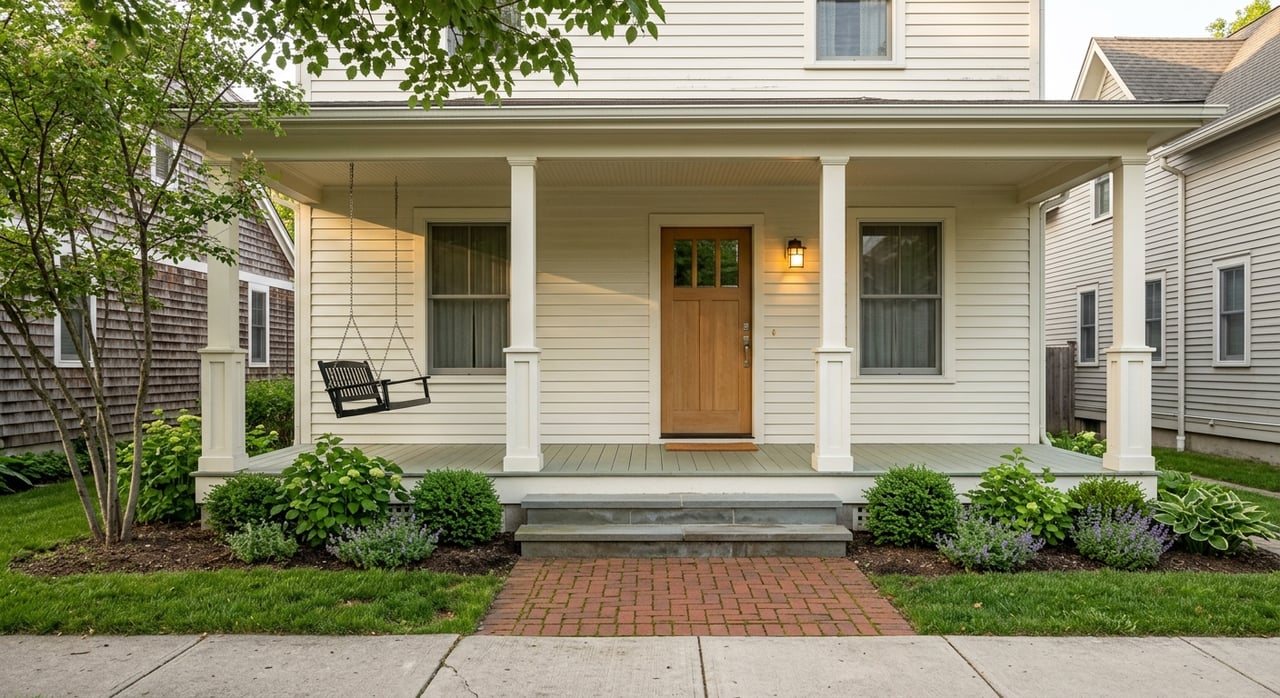
If you are looking at homes here, East Aurora tends to come across as established and stable. U.S. Census QuickFacts show a 2024 population estimate of 5,986, with 2,515 households and a 70.8% owner-occupied housing rate.
That same Census profile reports a median owner-occupied home value of $364,100, a median gross rent of $1,196, and 2.24 persons per household. Another useful detail is that 92.2% of residents were living in the same house one year earlier, which points to a village with strong residential stability.
For buyers, that can mean you are stepping into a market that often feels rooted rather than highly transient. It can also mean that context matters. In East Aurora, the feel of a property may shift depending on whether you are near the Main Street core or closer to the edges of the village.
Historic context matters
East Aurora has a strong connection to its built history. The village maintains a Historic Preservation Commission, and its GIS tools reflect a close look at parcels, zoning, land use, waterways, parks, and other local features.
For you as a buyer, that means it is smart to look beyond square footage alone. In a village with preserved homes and a well-defined center, the surrounding block, parcel details, and nearby public spaces can shape how a home feels in daily life.
Village setting with open space nearby
One of the appealing things about East Aurora is that you do not have to choose between a walkable village feel and access to larger natural areas. The village itself is compact, but nearby places like Knox Farm State Park add a much broader sense of open land, grasslands, woodlands, ponds, and wetlands.
That balance can be especially attractive if you want a neighborhood where daily errands feel close by, but you also want room to get outside without driving far.
Main Street and Everyday Errands
For many people, the lifestyle appeal of East Aurora starts with Main Street. The village describes this area as a place with specialty shops, restaurants, churches, municipal buildings, and carefully preserved homes in close proximity, according to its local history page.
That description lines up with how many buyers think about convenience. Instead of viewing shopping and dining as separate destinations, East Aurora offers a setting where those parts of life can feel woven into the village itself.
Local shops with personality
A major part of East Aurora’s identity is its independent retail mix. Vidler’s 5 & 10 is one of the best-known examples, with more than 75,000 items and a location on historic upper Main Street near other walkable destinations.
Other local businesses add to that everyday rhythm. Four Honey Bees Cottage offers home furnishings and design, while Aurora Outfitters focuses on footwear, apparel, and accessories, according to the same Visit Buffalo listing.
For you as a buyer, these places are more than weekend stops. They help define what it feels like to live nearby and handle day-to-day needs in a village setting.
Grocery and local food options
East Aurora also offers practical food stops that support regular routines. The East Aurora Co-op Market at 591 Main Street describes itself as a community-owned natural foods grocery store that is open to everyone, open daily from 8 a.m. to 8 p.m., and focused on local, organic, and seasonal produce along with groceries and prepared foods.
The East Aurora Farmers Market adds another local option. Its vendor page notes Wednesday and Saturday participants at the Classic Rink parking lot on Riley Street, giving residents another regular stop for grower- and producer-based shopping.
Dining that is part of the village fabric
Dining is also part of the local pattern, not just an extra feature. The village history page highlights local landmarks including Bar-Bill Tavern and the Roycroft Inn, and notes that the Roycroft Inn is open for dining and accommodations.
That kind of built-in dining scene can make a community feel more complete. Whether you are grabbing a casual meal or meeting friends close to home, it adds another layer to daily life in the village.
Parks and Outdoor Space
East Aurora’s outdoor options are one of its strongest lifestyle advantages. You have both village-based green space and larger regional parkland nearby, which gives you flexibility depending on how you like to spend your time.
If you enjoy short walks, community events, trail access, or bigger nature outings, East Aurora offers a surprising amount of range for a relatively compact village.
Village parks and nature access
Within the village, Hamlin Park on Prospect Avenue hosts celebrations and concerts and is also home to the Aurora Players. That gives residents a central outdoor gathering space tied to community events and local culture.
At the edge of the village, Sinking Ponds Nature Preserve on the Pine Street Extension offers hiking trails and habitat for migrating geese and other animals. For someone thinking about everyday lifestyle, that means nature access is not limited to a long weekend drive.
Knox Farm State Park nearby
One of the biggest outdoor draws near East Aurora is Knox Farm State Park. New York State Parks says the park covers 633 acres and includes grasslands, woodlands, ponds, and wetlands.
Visitors can hike, cross-country ski, ride horseback, bike in designated areas, and join nature walks. Having that kind of acreage adjacent to the historic village helps East Aurora feel both grounded and open at the same time.
More nearby park options
If you want even more outdoor variety, East Aurora is also close to additional county parkland. Hunters Creek, officially Sgt. Mark A. Rademacher Memorial Park, offers fishing, forest hiking, horseback riding, mountain bicycling, cross-country skiing, and snowshoeing.
Emery Park adds another nearby option with a one-mile trail, Cazenovia Creek access, picnic shelters, disc golf, tennis courts, biking, skiing, and snowshoeing. Together, these parks expand the outdoor side of East Aurora life well beyond the village limits.
Trees and streetscape shape the feel
Even the smaller details support the village atmosphere. East Aurora’s Tree Board notes that the village has been a Tree City USA community since 1998.
That matters because streetscape affects how a place feels day to day. Trees, walkability, and public-space planning all contribute to the sense that East Aurora is designed for more than just passing through.
What Everyday Life Looks Like
When you step back and look at the full picture, East Aurora offers a mix that is easy to understand and hard to fake. You have a compact historic village core, a mostly owner-occupied housing base, recognizable local shops, practical grocery options, and meaningful outdoor access close by.
For some buyers, that means being able to walk or drive a short distance for errands and dining, then head to a park or trail without leaving the area. For others, it means finding a home in a community where the built environment and natural surroundings both contribute to the lifestyle.
If that balance is what you are looking for, East Aurora is worth a closer look. And if you want help figuring out which part of the village or surrounding area best matches your goals, Amanda Pikul can help you make a clear, confident plan.
FAQs
What is everyday life like in East Aurora, NY?
- Everyday life in East Aurora often centers on a compact village setting with homes, local shops, food stops, and nearby parks all contributing to a connected routine.
What kinds of homes are common in East Aurora?
- Census data points to an established, mostly owner-occupied housing market, and the village’s historic preservation focus suggests many buyers pay close attention to older homes and neighborhood context.
Are there walkable shops and errands in East Aurora?
- Yes. The village highlights a Main Street area with specialty shops, restaurants, municipal buildings, and preserved homes, and it also provides public parking and walking maps.
Where can you buy groceries in East Aurora?
- East Aurora offers grocery options including the East Aurora Co-op Market on Main Street, and the East Aurora Farmers Market also provides regular local-food shopping opportunities.
What outdoor spaces are near East Aurora?
- Outdoor options include Hamlin Park, Sinking Ponds Nature Preserve, Knox Farm State Park, Hunters Creek, and Emery Park, with activities ranging from hiking to biking, skiing, fishing, and concerts.